
Indigenous Focus
Territorial Acknowledgement
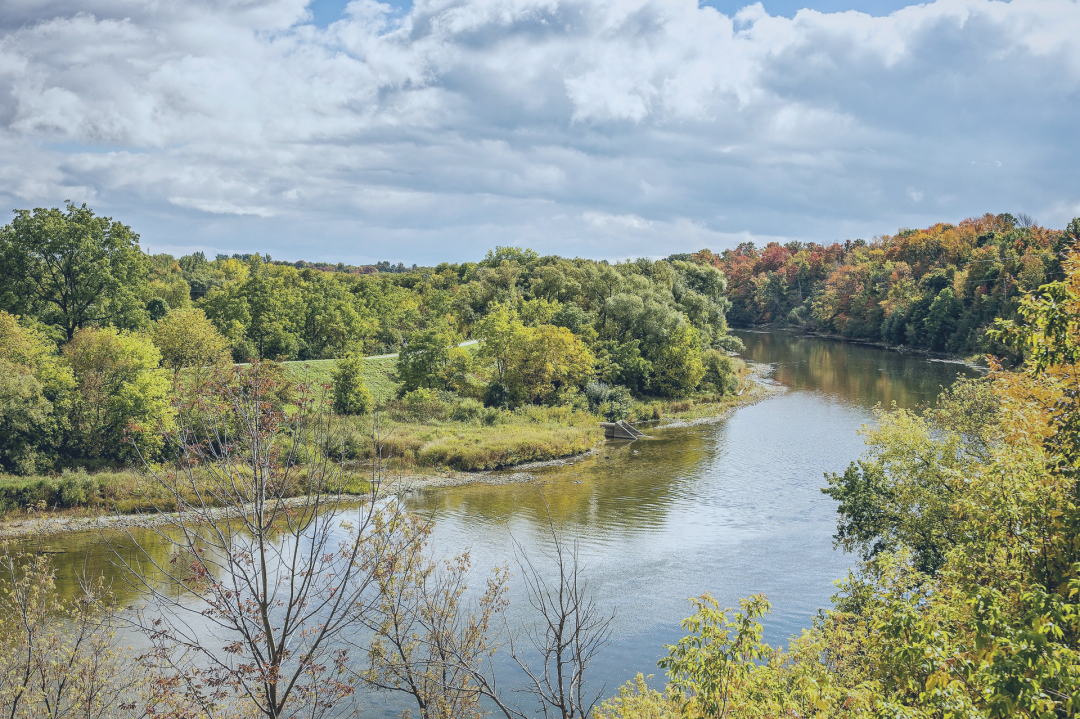
The Kitchener-Waterloo Multicultural Centre is located on Block 2 of the Haldimand Tract, traditional territory of the Chonnonton, Anishinaabe, and Haudenosaunee peoples. We recognize the many treaty and traditional lands of First Nations, Inuit, and Métis peoples across Turtle Island, as well as Indigenous communities worldwide.
First Nations, Metis and Inuit cultures, histories and stories are rich and vibrant. Indigenous world views and practices have been disrupted through colonialism, genocide and forced assimilation. We acknowledge the lasting impacts of colonialism, genocide and assimilation on Indigenous Peoples and the continued benefits settlers derive from these systems.
Acknowledgement alone is not enough—we commit to working in the spirit of the Dish with One Spoon and Two Row Wampum treaties to support and amplify Indigenous voices.
We offer Truth & Reconciliation programming to help newcomers learn, reflect, and engage with Indigenous histories and ongoing struggles. In the spirit of reconciliation, we strive to build meaningful relationships between Indigenous and non-Indigenous communities.
We prioritize Indigenous ways of knowing, environmental stewardship, and align our work with the Truth and Reconciliation Commission’s 94 Calls to Action. Our team actively engages in education and training on reconciliation and decolonization.
This journey requires continuous learning, listening, and honest dialogue. We are grateful for the guidance and partnership of local Indigenous organizations and individuals, which help us move forward.
We welcome your questions, comments, and feedback on our territorial acknowledgement.
Our Commitment to Indigenous Truth and Reconciliation
The Kitchener Waterloo Multicultural Centre acknowledges that we operate on the traditional territory of the Haudenosaunee, Anishinaabe, and Chonnonton peoples, part of the Haldimand Tract—land promised to the Six Nations of the Grand River in the 18th century. Today, less than 5% of that land remains under Six Nations stewardship, and the territory is still subject to ongoing land claims. This reality reminds us that settlement work happens within a structure of settler colonialism that has caused profound harm, including cultural genocide through the Residential School system.
As a settlement agency, we recognize that newcomers arrive and build their lives on Indigenous land. This truth must be part of the conversation about belonging, equity, and justice. Our role is not only to support newcomers but also to ensure they understand the history and responsibilities that come with living here. Reconciliation is not optional—it is foundational to creating inclusive communities.
Why Indigenous Focus Matters for Settlement Work
Newcomers often come seeking safety, opportunity, and community. To truly welcome them, we must share the full story of this land—its original caretakers, the treaties, and the ongoing struggles for justice. This knowledge fosters respect, builds bridges, and helps newcomers become allies in reconciliation. It also challenges the systems that perpetuate inequity, ensuring that inclusion does not come at the expense of Indigenous rights.
Our Actions and Commitments
We align our work with the Truth and Reconciliation Commission’s Calls to Action, especially those directed at newcomers (#93 and #94). This means:
Education and Dialogue: We integrate Indigenous history and perspectives into newcomer orientation and community programs. From walking tours to cultural workshops, we create spaces for learning and conversation.
Collaborative Projects: Past initiatives like quilting circles and cultural exchanges have connected newcomers with Indigenous communities through shared stories and traditions.
Visible Recognition: Our building features meeting rooms named after Indigenous nations of this territory, with plaques that share their histories. This is a daily reminder that reconciliation begins with truth.
Staff Training: Our team has participated in Indigenization training, including learning about residential schools and Indigenous pedagogy, to ensure our services reflect cultural humility and respect.
Dedicated Leadership: Our Truth and Reconciliation Coordinator Role allows us to deepen relationships between newcomers and Indigenous communities through education, advocacy, and cultural programming.
Moving Forward
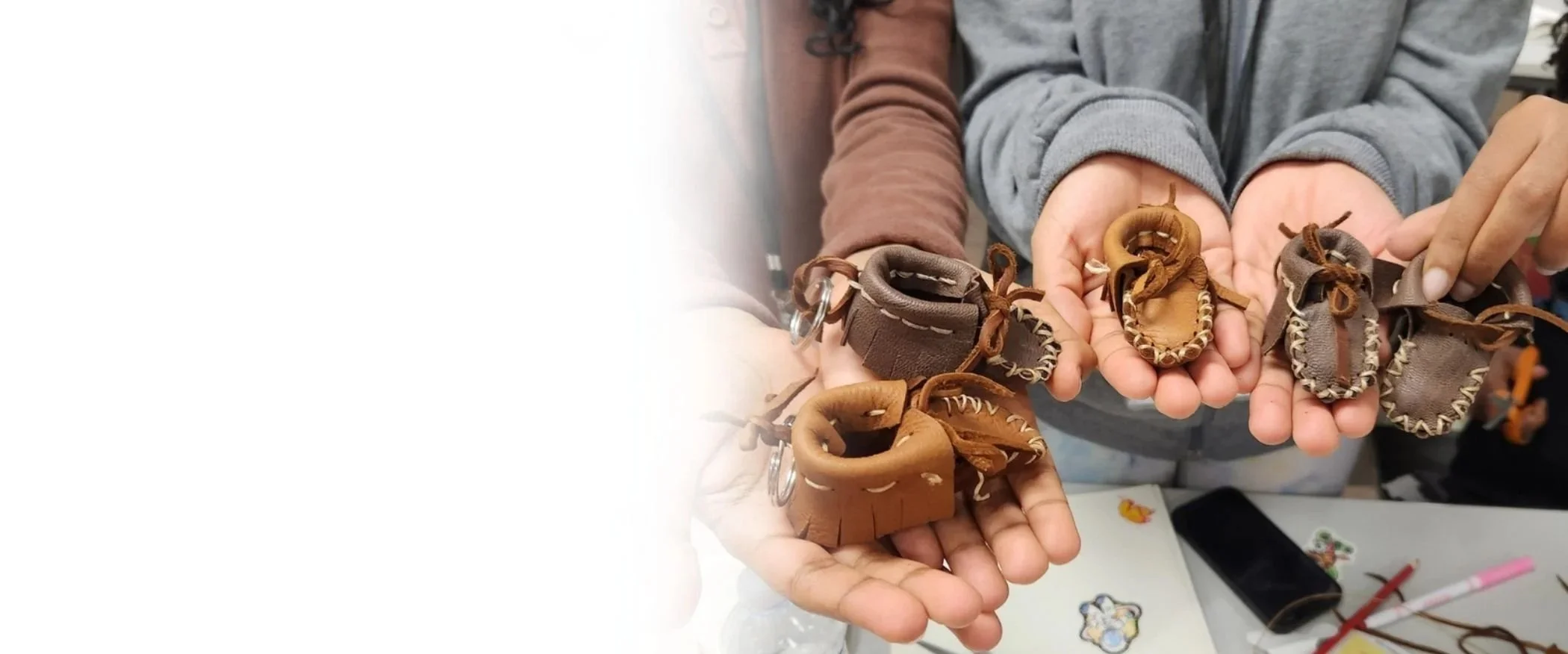
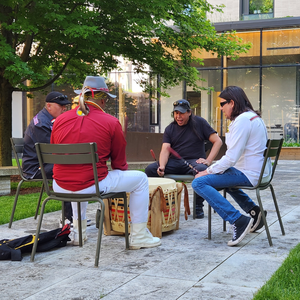
Reconciliation is ongoing work. Through initiatives like moccasin-making workshops, Indigenous food experiences, and youth programs led by Indigenous speakers, we aim to weave truth and respect into every aspect of settlement. Our goal is to ensure that newcomers not only find a home here but also understand their role in building a future rooted in justice and mutual respect.
Learn More
-
National Centre for Truth and Reconciliation
The NCTR is a place of learning and dialogue where the truths of the residential school experience will be honoured and kept safe for future generations.
The NCTR was created as part of the mandate of the Truth and Reconciliation Commission of Canada (TRC). The TRC was charged to listen to Survivors, their families, communities and others affected by the residential school system and educate Canadians about their experiences. The resulting collection of statements, documents and other materials now forms the sacred heart of the NCTR.
The NCTR Archives and Collections is the foundation for ongoing learning and research. Here, Survivors, their families, educators, researchers, and the public can examine the residential school system more deeply with the goal of fostering reconciliation and healing.
-
What is a Land Acknowledgement?
A Land Acknowledgement is a formal statement that recognizes the unique and enduring relationship that exists between Indigenous Peoples and their traditional territories.
Why Do We Recognize the Land?
To recognize the land is an expression of gratitude and appreciation to those whose territory you reside on, and a way of honouring the Indigenous people who have been living and working on the land from time immemorial. It is important to understand the long standing history that has brought you to reside on the land, and to seek to understand your place within that history. Land acknowledgements do not exist in a past tense, or historical context: colonialism is a current ongoing process, and we need to build our mindfulness of our present participation. It is also worth noting that acknowledging the land is Indigenous protocol.
-
Indigenous Canada
Indigenous Canada is a 12-lesson Massive Open Online Course (MOOC) from the Faculty of Native Studies that explores the different histories and contemporary perspectives of Indigenous peoples living in Canada. From an Indigenous perspective, this course explores complex experiences Indigenous peoples face today from a historical and critical perspective highlighting national and local Indigenous-settler relations. Topics for the 12 lessons include the fur trade and other exchange relationships, land claims and environmental impacts, legal systems and rights, political conflicts and alliances, Indigenous political activism, and contemporary Indigenous life, art and its expressions.
-
White Owl Native Ancestry Association
White Owl is dedicated to innovative Indigenous Wholistic practice with a commitment to whole person development within the family and community. The goal for children and youth is to experience belonging and value through relationship-building that encourages self acceptance, self expression, and understanding - a sense of place and belonging. Our Wholistic Practitioners work with individual clients and their families to help them in that process.
-
The Healing of the Seven Generations
The Healing of the Seven Generations is healing from the past, where the waters were not calm, the people just cried, where the children became broken and lost. Where the children were stolen from their families. Healing of the Seven Generations is a place that provides calmer waters. Life in the future is spiritual, and healing has taken place, from between the wings of the Creator above for the men, the women, the youth, and the children. Guiding our People from the past, into today, and wholehearted for the future.
-
Woodland Cultural Centre
The Woodland Cultural Centre serves to preserve, promote and strengthen Indigenous language, culture, art and history; bringing the story of the Hodinohsho:ni people of the Eastern Woodlands to life through innovative exhibitions and programs.
-
Crow Shield Lodge
Our mission is to walk alongside those who are in need of healing. Through Indigenous land-based healing and education we offer connection and belonging to a community dedicated to responsible land stewardship.
-
Anishnabeg Outreach
Anishnabeg Outreach has created a self-directed virtual healing system that will help millions of Indigenous peoples internationally heal from the effects of intergenerational trauma.
-
Willow River Center
Willow River Centre is an open community space for Indigenous and Racialized, Two-Spirit and LGBTQ+ youth and grassroots members. People are welcome to drop in during open hours and public events. The centre hosts Elders visits, feasts, arts markets, galleries, workshops, drumming and much more. Come and see for yourself!
-
Cedar Spoon Indigenous Catering
Established in 2022, Cedar Spoon is an Indigenous Catering Company aimed at bringing awareness to authentic Indigenous cuisine, while honouring Canada’s roots from a food perspective. We provide clients with the unique opportunity to learn about the traditional pantry used by First Nations through an exclusive menu curated by Chef Destiny Moser and Bingemans Catering
-
Indigenous Poets Society
The Indigenous Poets Society amplifies Indigenous voices by preserving oral traditions through art, music, storytelling, and the written word. They create dynamic, community-centered spaces for Spoken Word, Storytelling, and Visual Arts, offering workshops and culture camps to support Indigenous writers and artists. Their initiatives foster creative expression, promote healing, and address issues like hate crimes and safety, while educating communities on the impacts of colonialism and intergenerational trauma.
-
Moccasin Identifier™
Moccasin Identifier™ is an Indigenous-led initiative dedicated to deepening understanding of Canada’s Treaty history. Through the symbol of moccasins, they aim to connect all Canadians to the land and the Treaties that bind us. Their mission is to educate all ages on Treaties, promoting awareness of Indigenous culture through presentations, installations, and programs. Their objectives include creating educational materials, fostering understanding of First Nations governance, and advancing Truth and Reconciliation through collaborative efforts and public engagement.